The Hidden Cost of Drafty Windows: How Air Leaks Drain Your Energy Bills
You may not see it, but those tiny drafts sneaking through your old windows could be costing you hundreds of dollars a year. Many St. Louis homeowners underestimate how much air leakage affects comfort and energy efficiency. The truth is, drafty windows don’t just make your home chilly in the winter and stuffy in the summer — they make your HVAC system work harder, driving your utility bills up month after month.
Here’s how to spot the signs of drafty windows, understand their real costs, and fix the problem for good.
1. Why Air Leaks Matter More Than You Think
Even a small draft can lead to big losses. When warm indoor air escapes during winter (or cool air leaks out in summer), your heating and cooling system has to replace that lost energy — often continuously.
According to the U.S. Department of Energy, air leaks can account for
25% to 40% of total energy loss
in the average home. If your windows are older or poorly sealed, they could be a major reason your energy bills keep climbing.
2. How to Tell if Your Windows Are Drafty
Not sure whether your windows are leaking air? Here are a few easy ways to check:
- The candle or incense test: Hold a lit candle or incense stick near the edges of your closed window. If the flame flickers or the smoke moves, air is leaking.
- Visible light or gaps: Look for daylight peeking through around the frame or sash.
- Condensation buildup: Persistent moisture or fog between panes can signal seal failure.
- Temperature difference: If you feel cold or heat radiating near your windows, insulation is likely compromised.
If any of these sound familiar, it’s time to take action.
3. The Real Cost of Doing Nothing
While a few drafts may seem minor, they can quickly add up. Here’s what happens if you ignore them:
- Higher energy bills: Your furnace or air conditioner runs longer to maintain the same temperature.
- Uneven comfort: Some rooms stay cold while others overheat, creating hot and cold spots throughout your home.
- Increased wear on HVAC systems: Overworking your equipment shortens its lifespan and can lead to expensive repairs.
- Moisture damage: Persistent leaks can allow condensation, mold, or even wood rot to form around window frames.
Over a single heating or cooling season, those “small leaks” can waste hundreds of dollars in lost energy.
4. Temporary Fixes vs. Long-Term Solutions
If you’re not ready for a full replacement, you can try these short-term fixes:
- Apply weatherstripping or caulk to seal visible gaps.
- Use thermal curtains to reduce heat transfer.
- Install plastic insulation film kits over drafty windows in winter.
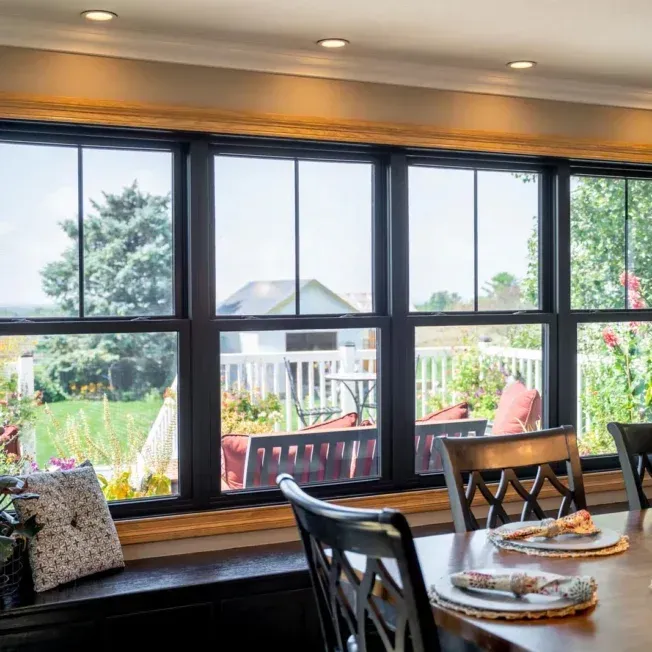
However, these solutions are temporary. For lasting comfort and lower bills, replacing old or inefficient windows with energy-efficient models is the best long-term investment.
Modern windows with
Low-E glass, insulated frames, and advanced sealing can drastically cut heat loss and improve overall comfort.
5. Why RRSA St. Louis Is the Smart Choice
At RRSA St. Louis, we specialize in energy-efficient window replacement that keeps your home comfortable all year long. Our certified installers use high-performance materials built for Missouri’s climate — so you’ll save energy, reduce drafts, and enjoy a quieter, cozier home.
We offer free inspections to identify air leaks and help you choose the right replacement windows for your home and budget.