Blog on all things Roofing, Windows, & Doors in the Greater St. Louis, MO Area
Serving: Eureka, Creve Coeur, Chesterfield, Wildwood, Des Peres, Wentzville, Weldon Springs, Ballwin, Manchester, Fenton, Affton, and more!
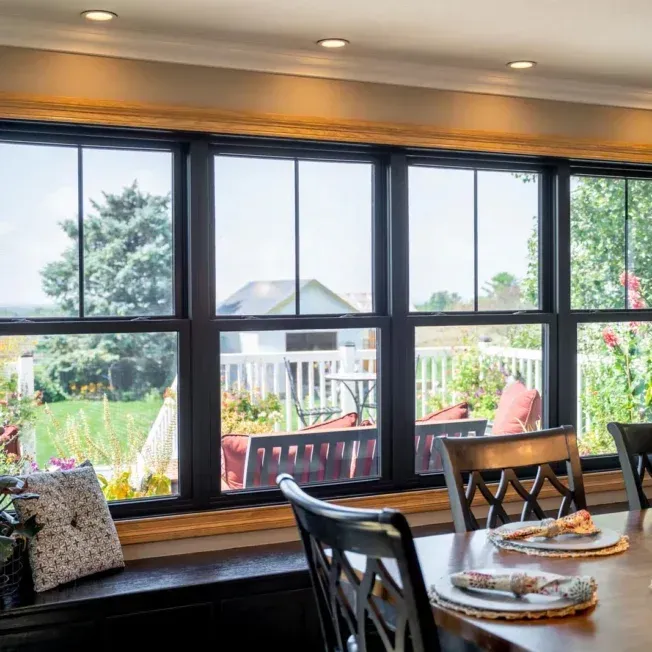
ProVia replacement windows offer superior energy efficiency for St. Louis homes. RRSA St. Louis installs ProVia windows across Chesterfield, Wildwood, Ballwin & more.
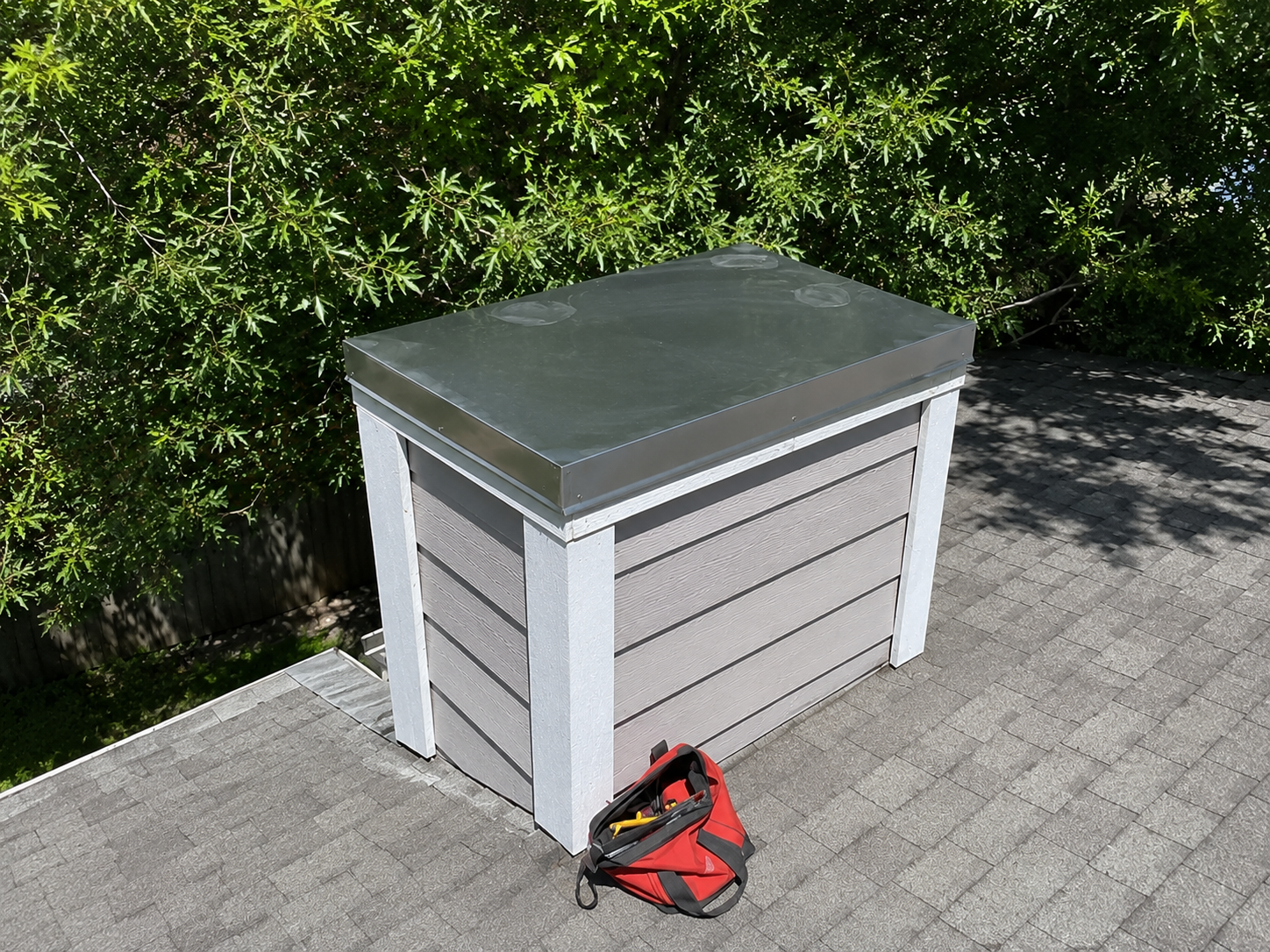
A failing chimney chase cover in St. Louis can lead to costly water damage. RRSA St. Louis explains what to look for and how professional replacement protects your home.

A commercial roof in St. Louis faces a punishment schedule that residential roofs don't. Summer heat indexes pushing past 105°F. Hailstorms that roll through with little warning — the kind that dented cars across West County in the spring of 2022 and again in 2024. Ice dams in January. Standing water after the Missouri River basin soaks. If you manage or own a commercial property in the St. Louis area, your roof is one of your highest-stakes assets, and the decisions you make about it have long-tail consequences.
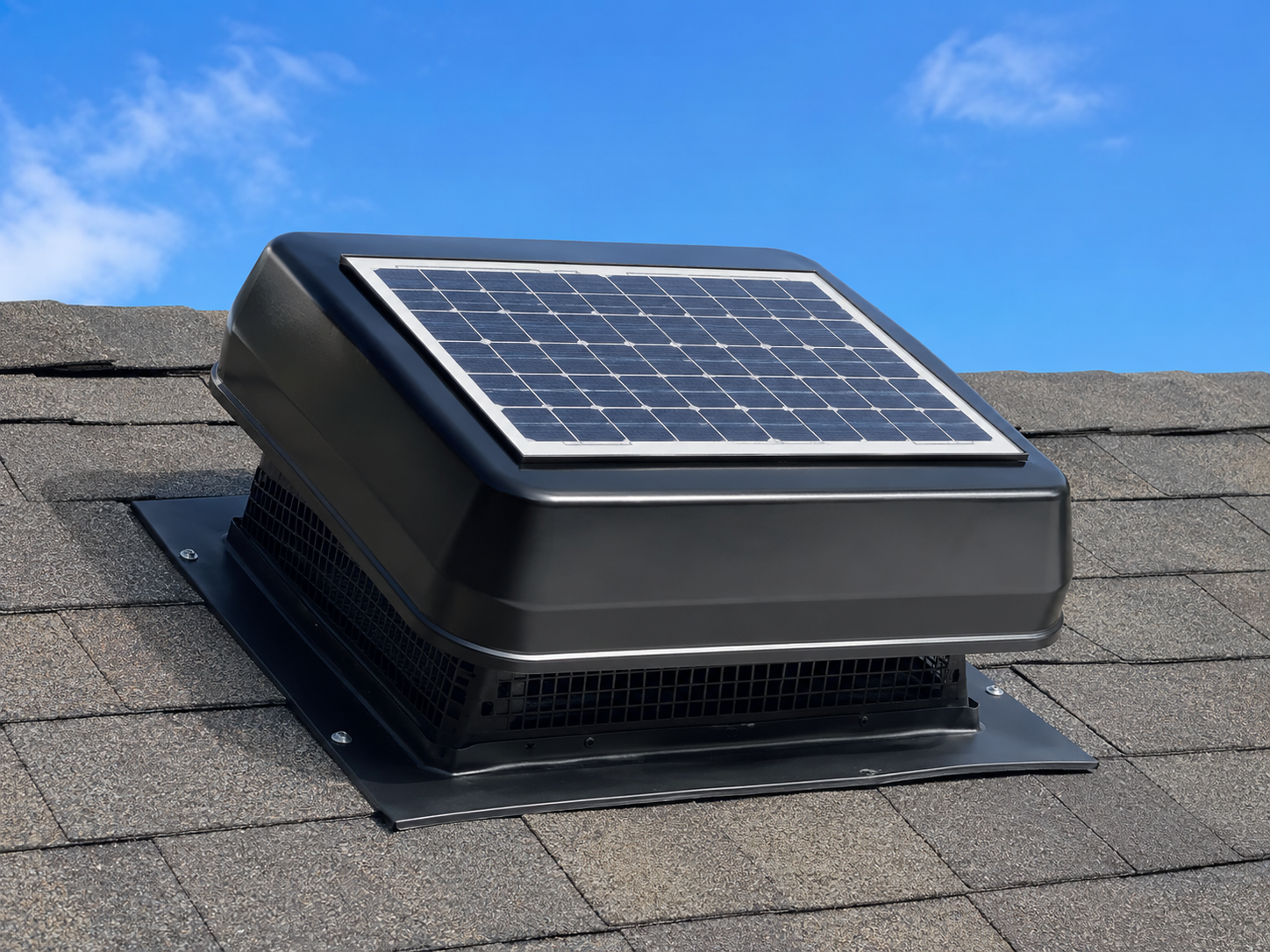
Discover how solar attic fan installation in St. Louis can reduce energy bills and extend roof life. RRSA St. Louis provides expert installs across Chesterfield, Ballwin, and more.
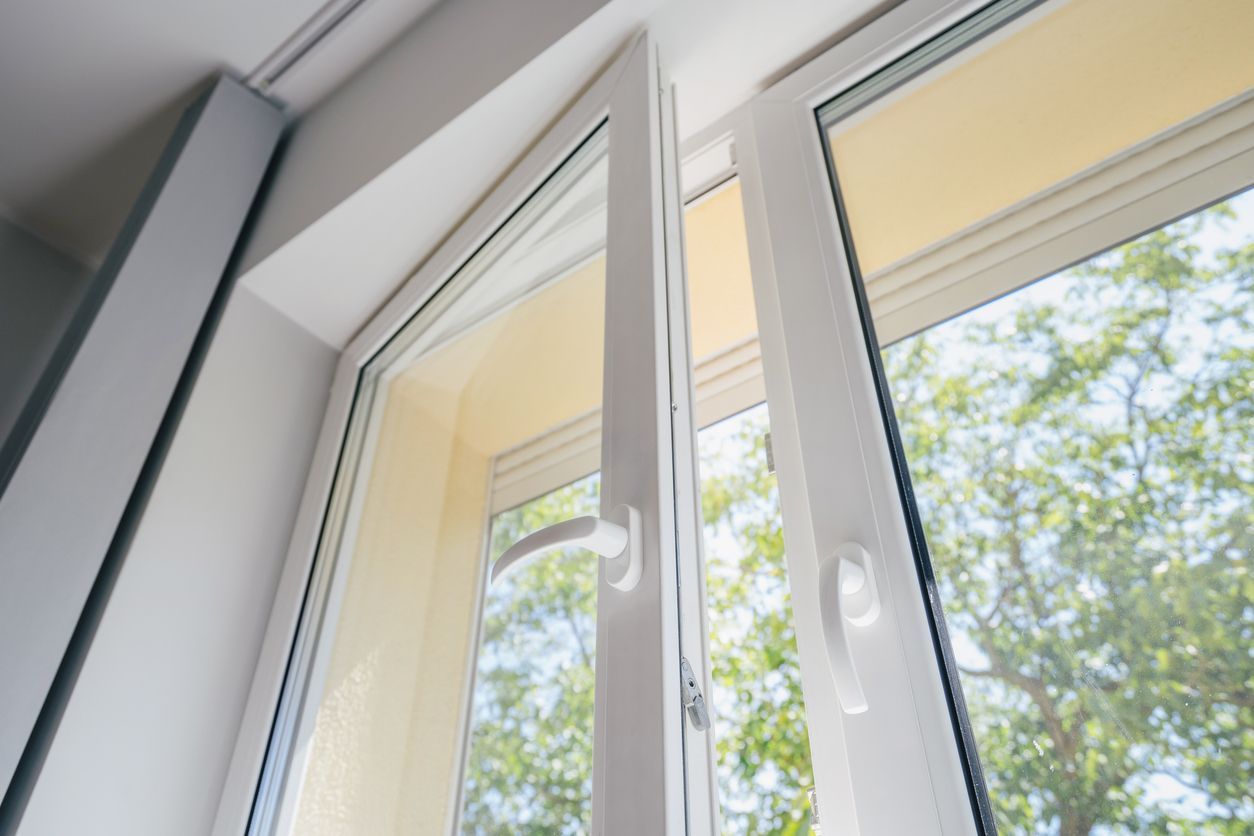
You may not see it, but those tiny drafts sneaking through your old windows could be costing you hundreds of dollars a year. Many St. Louis homeowners underestimate how much air leakage affects comfort and energy efficiency. The truth is, drafty windows don’t just make your home chilly in the winter and stuffy in the summer — they make your HVAC system work harder, driving your utility bills up month after month. Here’s how to spot the signs of drafty windows, understand their real costs, and fix the problem for good.
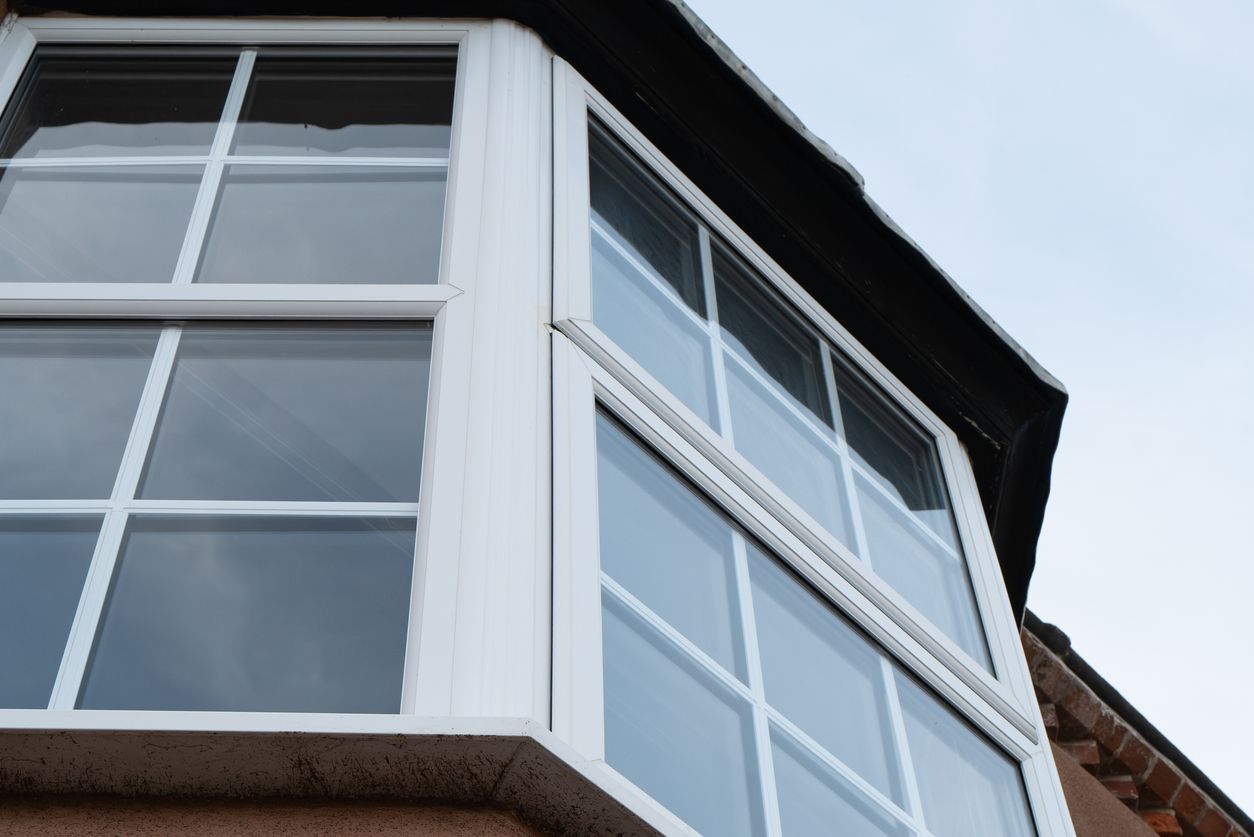
When it’s time to replace your windows, one of the biggest decisions you’ll face is what material to choose for your window frames. Each type - vinyl, fiberglass, and wood - offers its own mix of looks, performance, and price. For St. Louis homeowners, where summers are humid and winters can be bitterly cold, the right window material makes all the difference in comfort and energy efficiency. Here’s how to decide which is best for your home.
As temperatures drop and the Midwest winter approaches, St. Louis homeowners start preparing for the cold. But while you’re checking your furnace and sealing up doors, don’t overlook one of the biggest sources of heat loss in your home: your windows. Old or inefficient windows can make your heating system work overtime, drive up energy bills, and leave your home feeling drafty. Before winter hits, use this checklist to find out if it’s time to replace your windows.
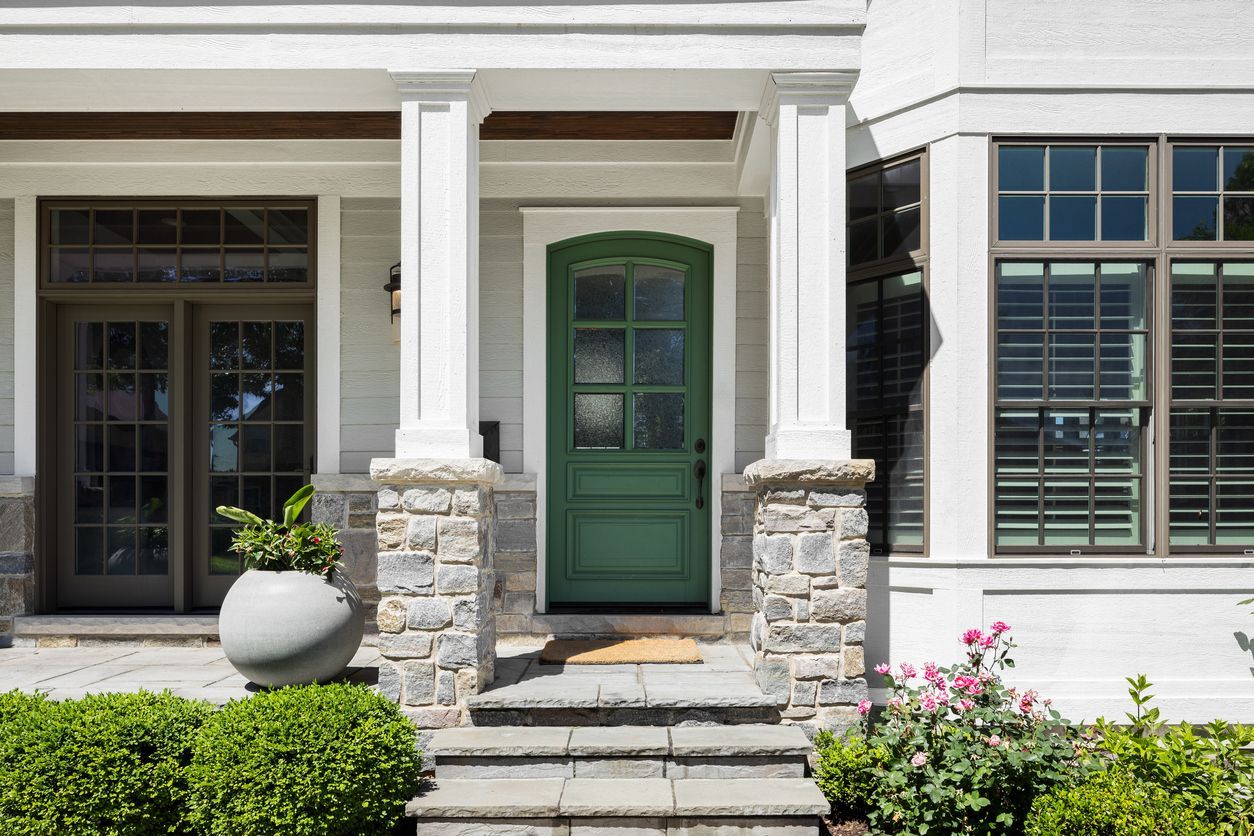
Your front door is one of the first things people notice about your home. It sets the tone for your curb appeal, influences your home’s value, and plays a big role in keeping your home comfortable and efficient. If your entry or patio doors are old, drafty, or outdated, upgrading them can make a dramatic difference in both appearance and performance. Here’s how new doors can enhance your St. Louis home inside and out.
As summer fades, St. Louis homeowners start thinking about cooler weather—and higher heating bills. Old or failing windows can let in drafts, drive up energy costs, and make your home less comfortable. Here are six signs it’s time to consider replacement windows before winter arrives.
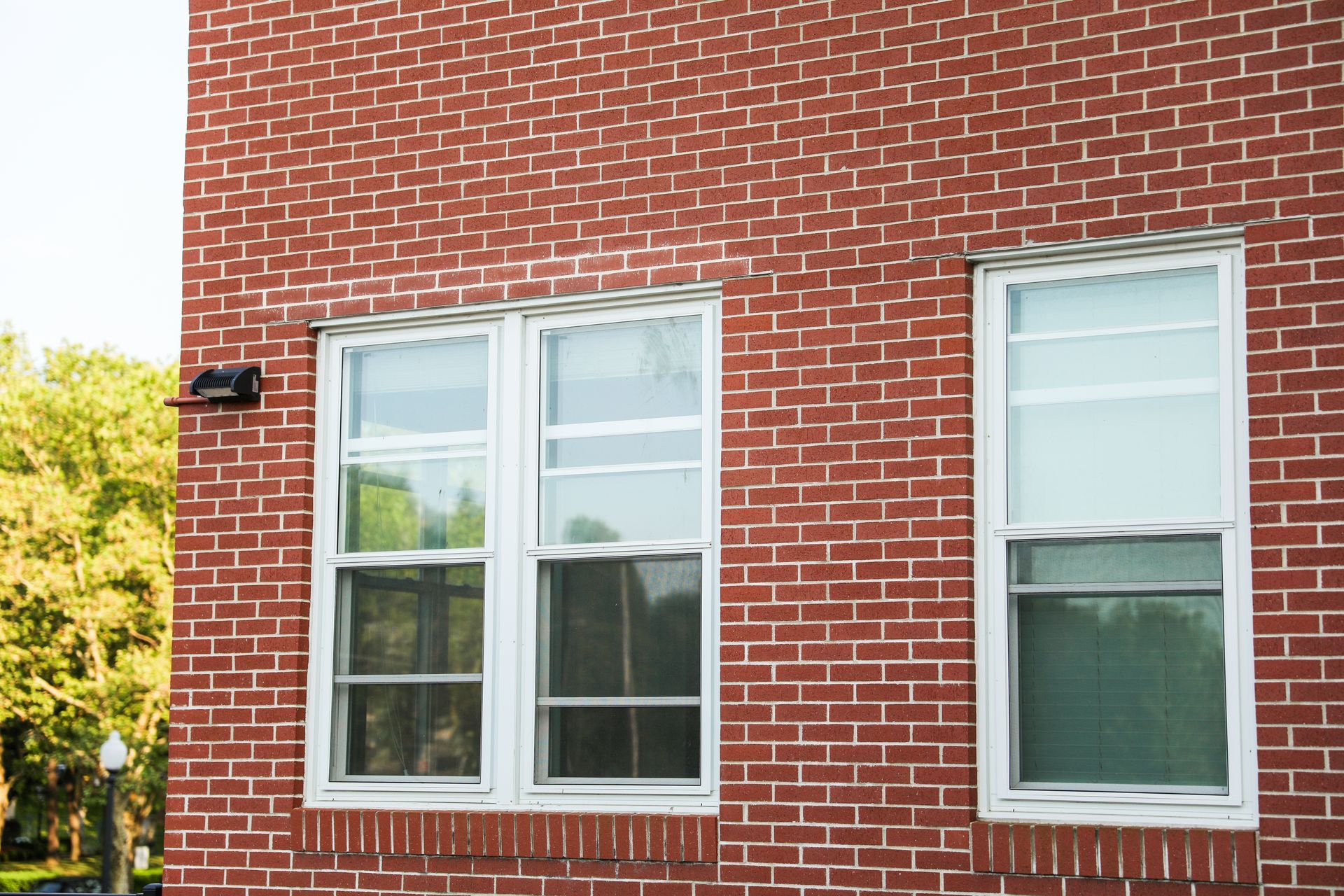
Understanding Window Ratings: U-Factor, SHGC, and Visible Transmittance Explained