Chimney Chase Covers in St. Louis: The Small Fix That Prevents Big Damage

July 15, 2026

There's a component on top of many St. Louis homes that most homeowners have never thought about — and it's one of the most common sources of expensive water damage in the area. The chimney chase cover sits at the top of your prefabricated fireplace chase, protecting the interior from rain, ice, nesting animals, and debris. When it fails, water works its way into your chase and from there into your walls, attic framing, and sometimes straight through your ceiling. In neighborhoods across Ballwin, Manchester, and Chesterfield — where homes built in the 1980s and 1990s with prefab fireplaces are common — chase cover failure is something we see constantly.

What Is a Chimney Chase Cover, and Why Does It Fail?

A chase cover is a flat or slightly pitched metal panel that sits on top of the chase (the exterior enclosure around a factory-built fireplace) and surrounds the flue cap. Think of it as the roof for your chimney — without it, rain falls directly into the chase and soaks the surrounding framing.


The covers that came standard on homes built in the 80s and 90s were almost universally made from galvanized steel. Galvanized steel works fine for a while, but in St. Louis's climate — with freeze-thaw cycles in winter, sustained heat in summer, and the occasional golf-ball hail — it rusts through in 10–20 years. Once the galvanized coating breaks down, rust accelerates quickly. By the time you see rust staining on your chase's exterior siding, the cover itself is often already compromised.

Signs Your Chase Cover Needs to Be Replaced

You don't have to climb on your roof to spot the warning signs. From the ground, look for:

Rust staining: Orange streaks running down the chase siding are a classic indicator that the cover is failing.

Water stains inside: Staining on the ceiling or walls near your fireplace, or moisture smell near the firebox, points to water getting in through the chase.


Chase siding damage: If the vertical siding on your chimney chase is warping, cracking, or separating, sustained moisture exposure from above is often the cause.


Animal activity: Birds, squirrels, and raccoons love to nest in an open or damaged chase. If you hear scratching or see debris around your firebox, a compromised cover may be letting them in.

If you're not sure about the condition of your chase cover, a professional roof inspection will get eyes on it and give you a clear picture of what's happening.

The Right Material: Why Stainless Steel and Copper Make Sense

Replacing a chase cover is a permanent fix — when you use the right material. Stainless steel covers are the standard upgrade we install at RRSA, and for good reason: they don't rust, they hold up to St. Louis weather, and they carry a manufacturer warranty. Copper is another premium option that many homeowners in Creve Coeur and Des Peres choose for its appearance and longevity — copper naturally patinas to a distinctive finish and essentially lasts forever.


A properly fabricated stainless chase cover fits your specific chase dimensions, includes a drip edge to direct water away from the siding, and is secured so it won't lift in a windstorm. This is not a universal box store product — it's a custom-fit component that needs to be measured and installed correctly.

Why You Should Address This Before the Next Storm Season

Spring in St. Louis tends to deliver some of the year's heaviest rain events. A failing chase cover that's been leaking slowly all winter can allow a significant amount of water infiltration when the April and May deluges hit. Water in a chimney chase doesn't just stay there — it follows the path of least resistance into framing, insulation, and interior finishes. What starts as a $300–$600 chase cover replacement can turn into a multi-thousand-dollar repair bill if water damage to framing, drywall, or interior surfaces is allowed to develop.


Our roof repair team handles chase cover replacements as part of our broader roofing and exterior work. When we're on your roof, we look at the full picture — not just the chase.


If you've noticed rust staining on your chimney chase or water near your fireplace, don't wait. RRSA St. Louis offers free estimates for chimney chase cover replacements across the greater St. Louis area. Schedule through our contact page or call us at 636-542-4816.
June 24, 2026
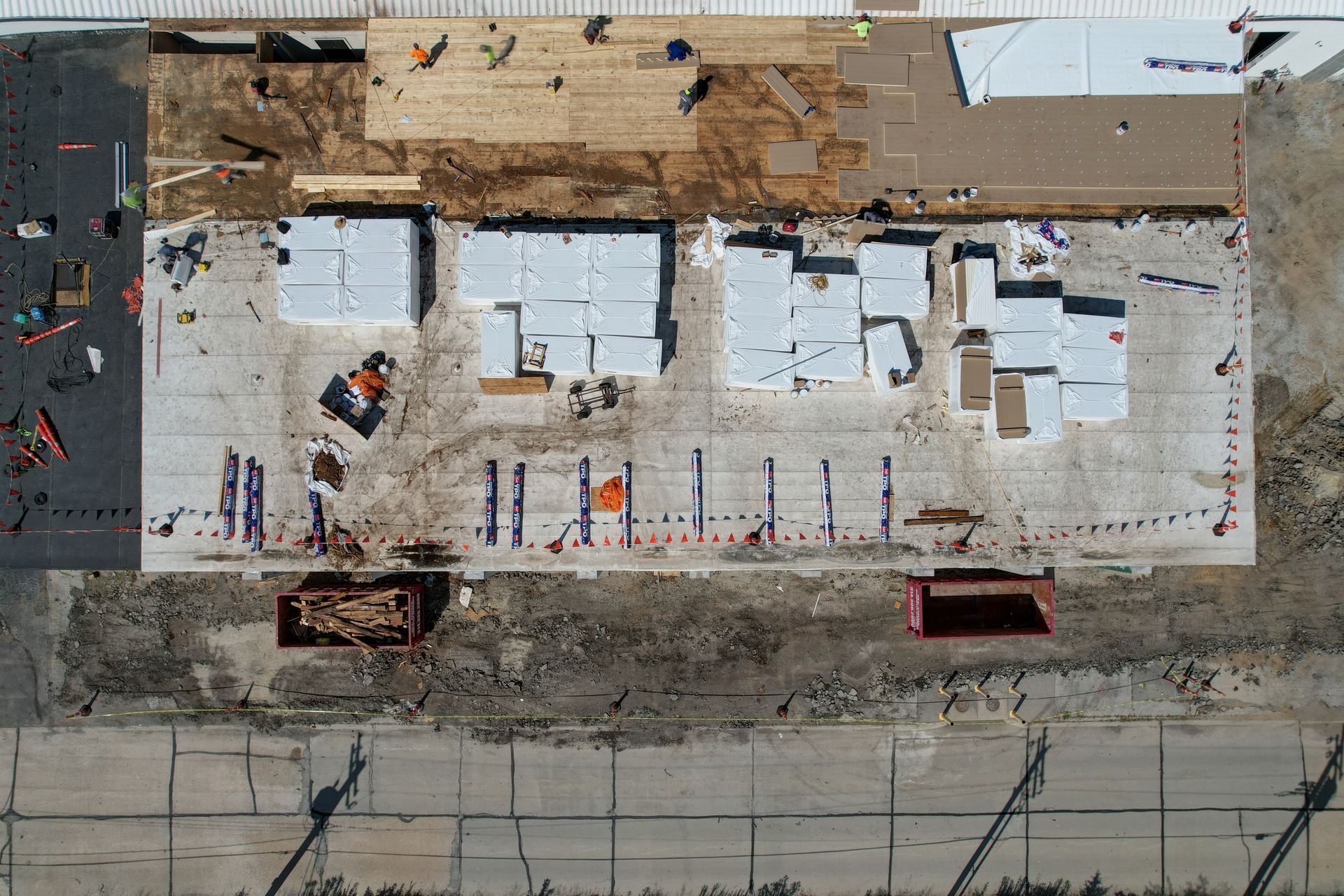
A commercial roof in St. Louis faces a punishment schedule that residential roofs don't. Summer heat indexes pushing past 105°F. Hailstorms that roll through with little warning — the kind that dented cars across West County in the spring of 2022 and again in 2024. Ice dams in January. Standing water after the Missouri River basin soaks. If you manage or own a commercial property in the St. Louis area, your roof is one of your highest-stakes assets, and the decisions you make about it have long-tail consequences.
May 20, 2026
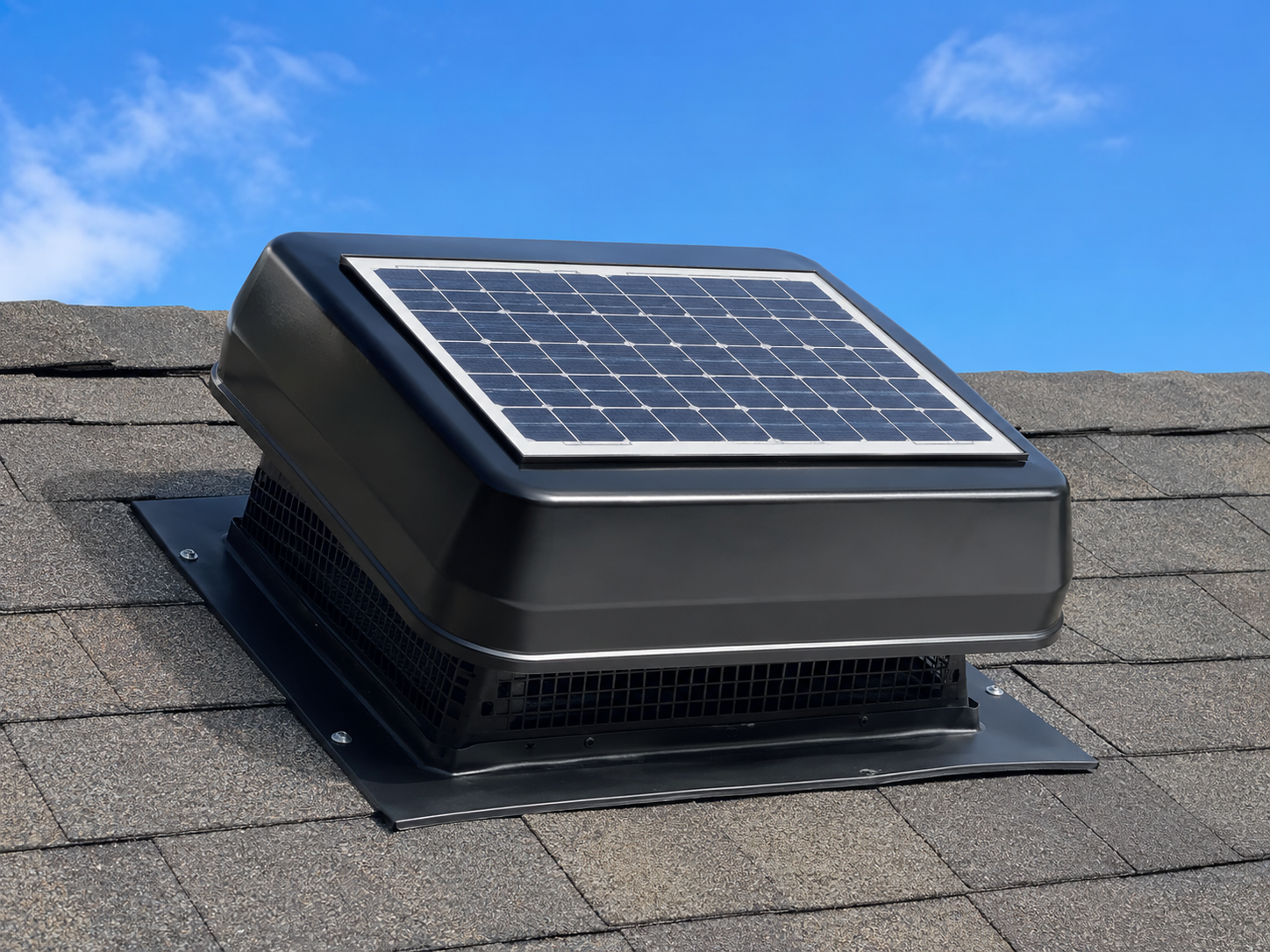
Discover how solar attic fan installation in St. Louis can reduce energy bills and extend roof life. RRSA St. Louis provides expert installs across Chesterfield, Ballwin, and more.
By rrsastlouismo October 28, 2025
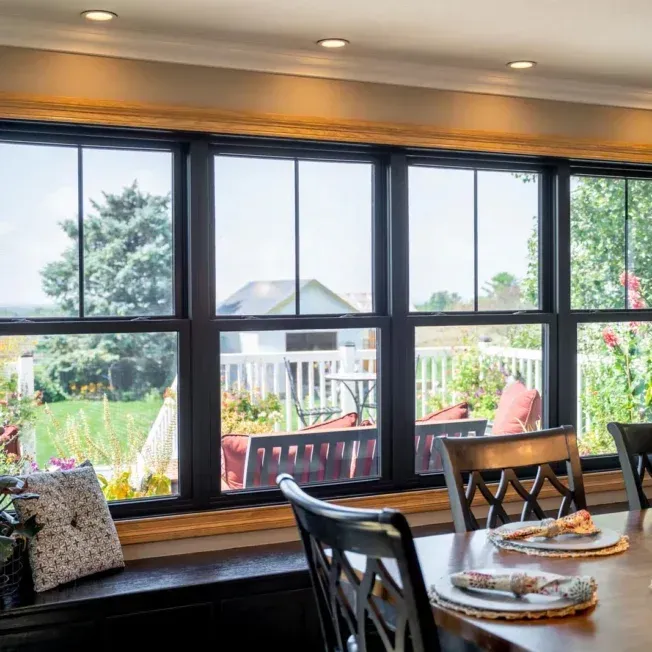
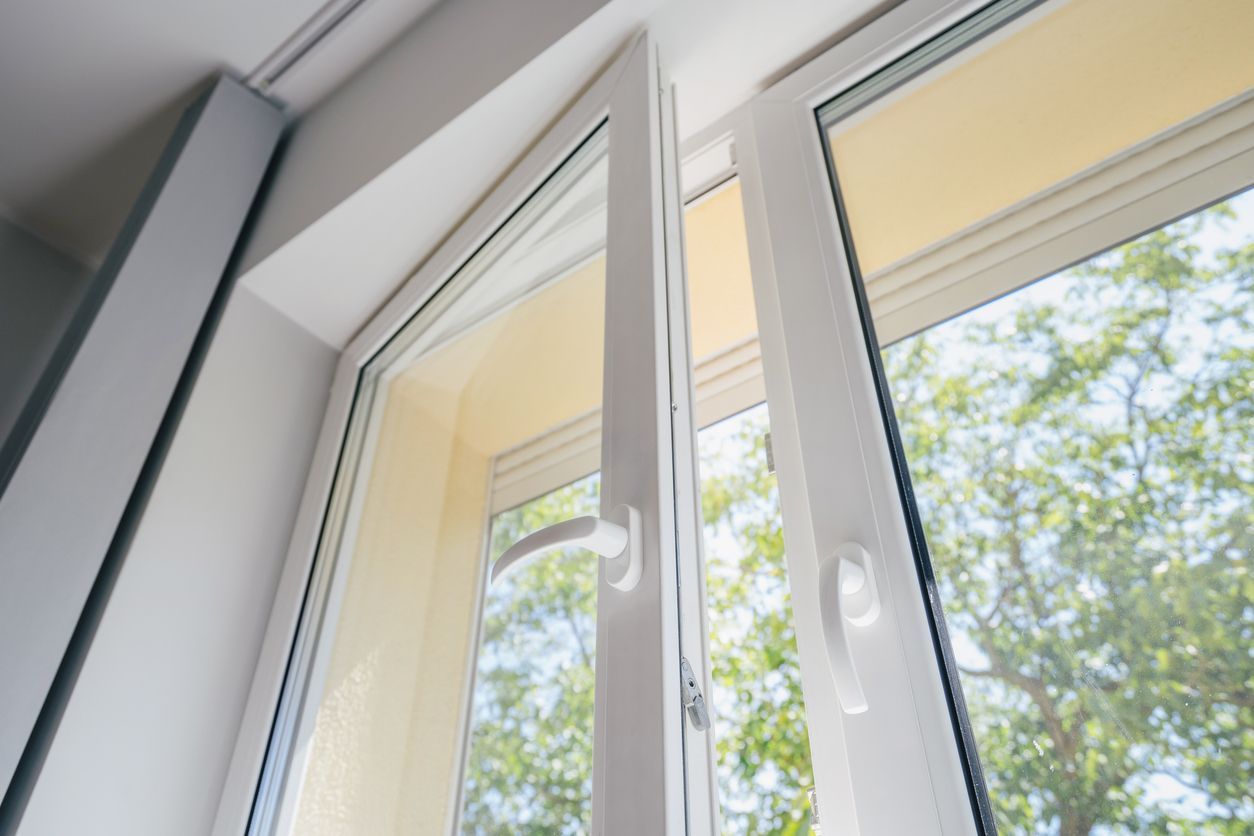
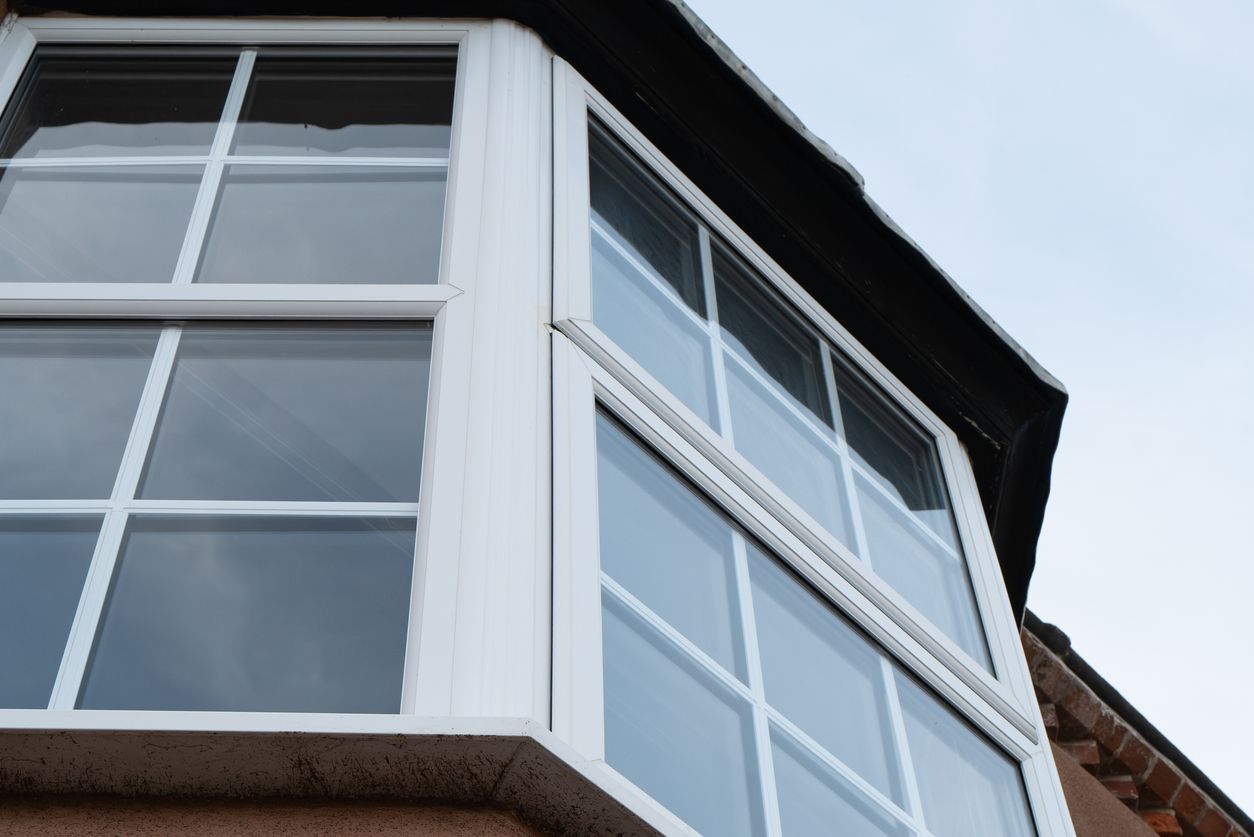
You may not see it, but those tiny drafts sneaking through your old windows could be costing you hundreds of dollars a year. Many St. Louis homeowners underestimate how much air leakage affects comfort and energy efficiency. The truth is, drafty windows don’t just make your home chilly in the winter and stuffy in the summer — they make your HVAC system work harder, driving your utility bills up month after month. Here’s how to spot the signs of drafty windows, understand their real costs, and fix the problem for good. 
By rrsastlouismo October 28, 2025
When it’s time to replace your windows, one of the biggest decisions you’ll face is what material to choose for your window frames. Each type - vinyl, fiberglass, and wood - offers its own mix of looks, performance, and price.  For St. Louis homeowners, where summers are humid and winters can be bitterly cold, the right window material makes all the difference in comfort and energy efficiency. Here’s how to decide which is best for your home.
By rrsastlouismo October 28, 2025
As temperatures drop and the Midwest winter approaches, St. Louis homeowners start preparing for the cold. But while you’re checking your furnace and sealing up doors, don’t overlook one of the biggest sources of heat loss in your home: your windows.  Old or inefficient windows can make your heating system work overtime, drive up energy bills, and leave your home feeling drafty. Before winter hits, use this checklist to find out if it’s time to replace your windows.
By rrsastlouismo October 28, 2025
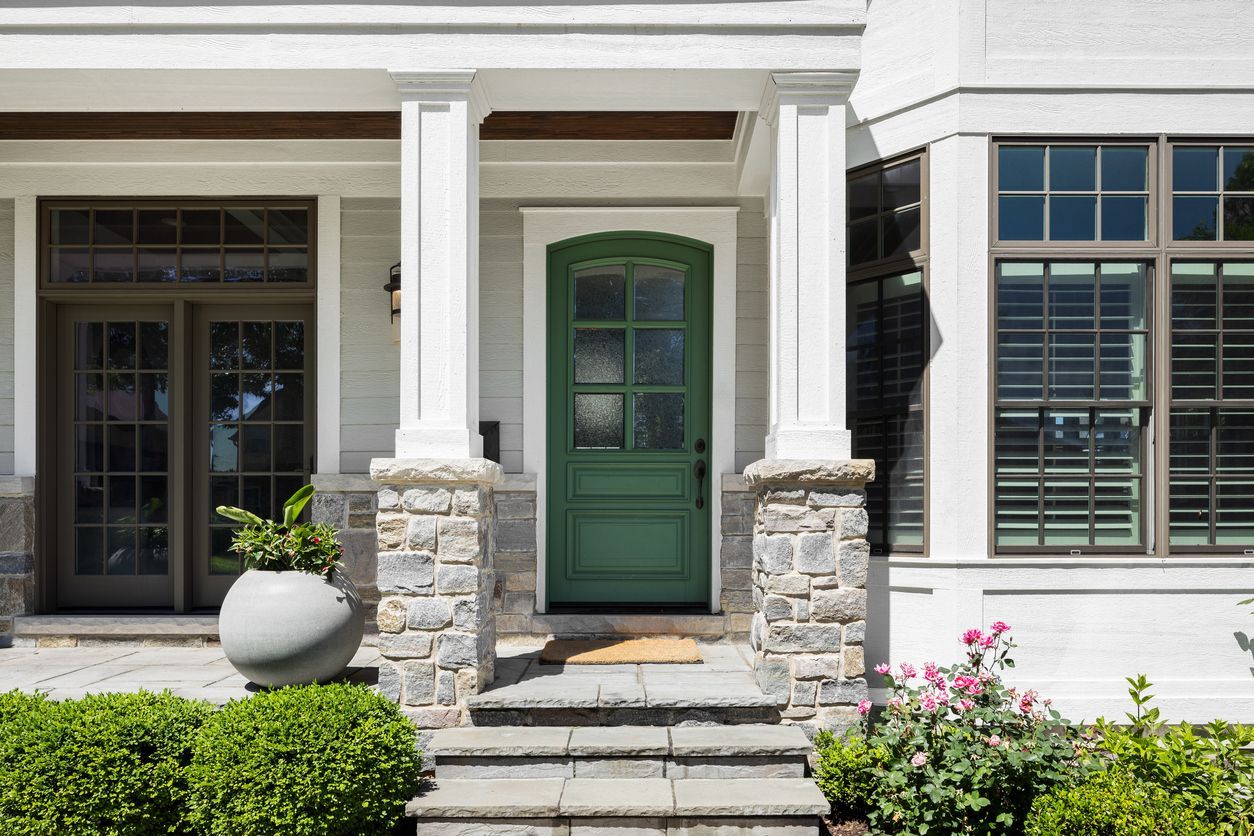
Your front door is one of the first things people notice about your home. It sets the tone for your curb appeal, influences your home’s value, and plays a big role in keeping your home comfortable and efficient.  If your entry or patio doors are old, drafty, or outdated, upgrading them can make a dramatic difference in both appearance and performance. Here’s how new doors can enhance your St. Louis home inside and out.
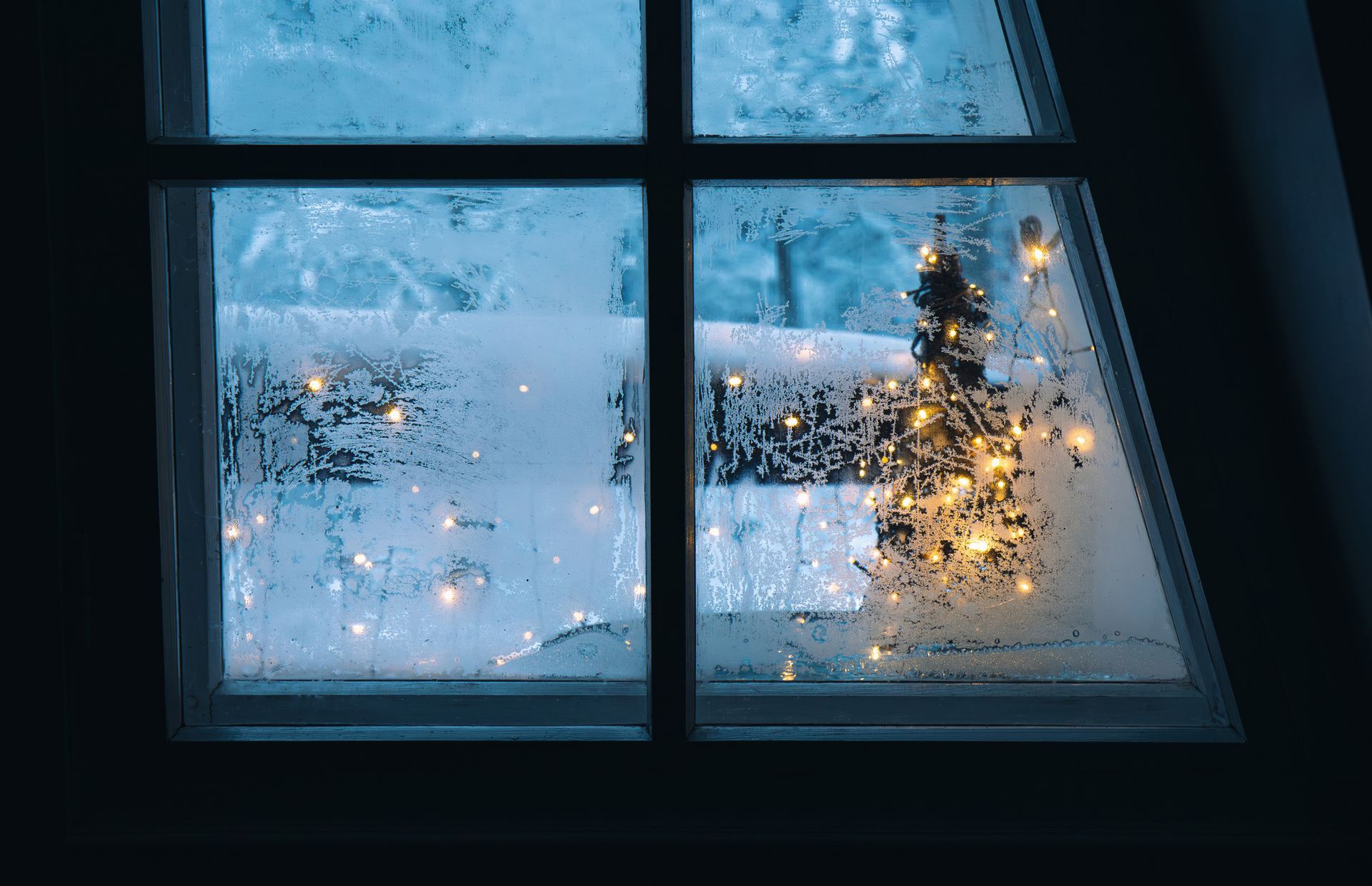
Frosted window with Christmas tree inside, illuminated by warm fairy lights against a cold, blue backdrop.
By rrsastlouismo September 29, 2025
As summer fades, St. Louis homeowners start thinking about cooler weather—and higher heating bills. Old or failing windows can let in drafts, drive up energy costs, and make your home less comfortable. Here are six signs it’s time to consider replacement windows before winter arrives.
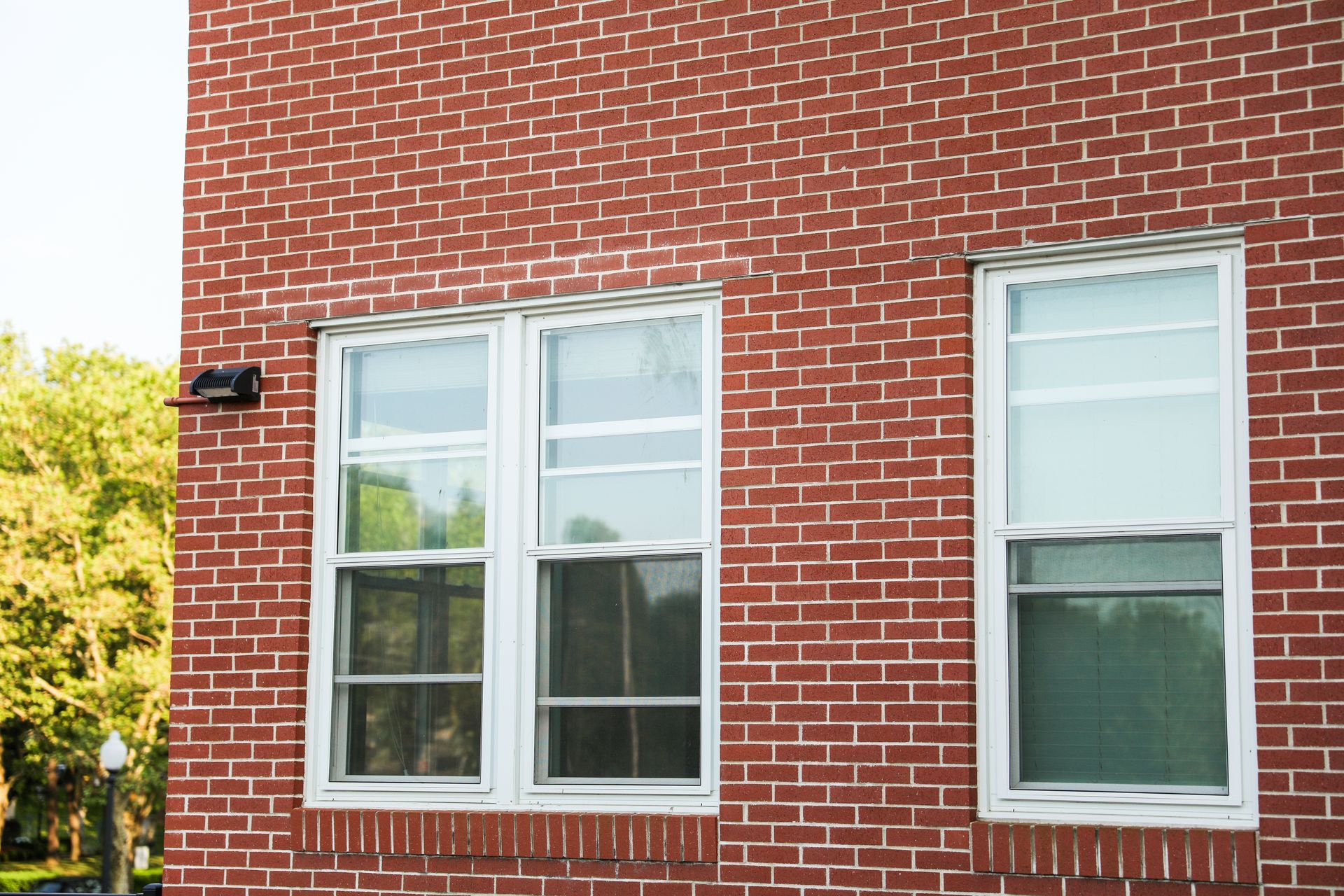
Red brick building with two white-framed windows. A small black box sits above the left window.
By rrsastlouismo September 24, 2025
Understanding Window Ratings: U-Factor, SHGC, and Visible Transmittance Explained
Man in cap using a drill to install a gutter on a house roof, outdoors.
By rrsastlouismo September 29, 2022
We hope your end-of-summer BBQ was legendary. We hope you enjoyed your pool parties and porch-sitting. But time marches on and autumn is here. Before the cold weather hits, there’s a few things we think you should know about your roof – and steps you can take to make sure it stays functional and damage-free through the harsh winter months. As you might know, it costs an average of $7,200 to replace a roof in Missouri. Unfortunately, homes don’t really come with how-to manuals to protect roofs and avoid repairs, but RRSA has you covered. Let’s take a look at three ways you can prep your roof for fall and winter.
Damaged, weathered shingles on a roof with a logo in the upper left. Sky and fields in the background.
By rrsastlouismo May 24, 2022
It’s hard to gauge the life expectancy of a roof. The best estimates put the lifespan of the average roof at between 20 and 30 years for standard asphalt shingles. Other materials, like clay and concrete, can last up to 100 years . Aside from materials, lots of factors play a role in aging or preserving a roof: temperature, exposure to elements (like wind and hail), and maintenance history. But no matter what kind of roof you have, it pays to know what the early signs of age and degradation are so that when you see them, you can act before your roof becomes compromised and begins to leak, which can cause thousands of dollars of damage , or otherwise fail. Let’s take a look at three warning signs that your roof is getting up there (pun intended).