James Hardie Siding in St. Louis: Why More Homeowners Are Making the Switch
Drive through almost any established neighborhood in Chesterfield, Ballwin, or Manchester and you'll see vinyl siding in various stages of its lifecycle — some of it still looking sharp, some faded, some with impact dents from hail events that came through over the years. Vinyl has been the dominant siding material in the St. Louis market for decades because it's affordable and low-maintenance. But it has real limitations, and more and more St. Louis homeowners replacing aging siding are choosing fiber cement — specifically James Hardie — instead. Here's what drives that decision, and what you should know before your next siding project.
What James Hardie Fiber Cement Actually Is
HardiePlank and Hardie's other siding products are made from a mix of cement, sand, and cellulose fiber that's formed and cured into panels. The result is a material that looks like painted wood, behaves like masonry in terms of fire and impact resistance, but installs like traditional lap siding. It takes paint well and holds it longer than wood, it doesn't absorb water the way wood does, and it doesn't melt, warp, or fade the way vinyl can under sustained UV exposure.
James Hardie also offers a prefinished option called ColorPlus Technology — factory-applied paint that's baked on and carries its own warranty. For homeowners who want to lock in a color and not think about repainting for 15+ years, it's a compelling option.
Why Fiber Cement Performs Better in St. Louis's Climate
St. Louis throws a lot at exterior siding. Summers deliver sustained UV exposure, high humidity, and occasional severe hail. Winters bring freeze-thaw cycles and the kind of wind-driven rain that finds every gap in a poorly installed exterior. Spring brings storm systems that produce hail across the metro with enough frequency that most West County homeowners have had at least one insurance claim in the last decade.
Vinyl siding, for all its practicality, has documented weaknesses in these conditions. It becomes brittle in cold temperatures, making it more susceptible to hail impact in late fall and winter storms. It can buckle and warp when not properly allowed for thermal expansion. And once it's damaged, vinyl siding is difficult to match — the color and profile of panels manufactured years apart rarely match exactly.
James Hardie siding is rated to withstand winds up to 150 mph and carries an impact resistance profile that vinyl simply can't match. In an area with hail exposure like the St. Louis metro, that matters.
The Appearance Advantage
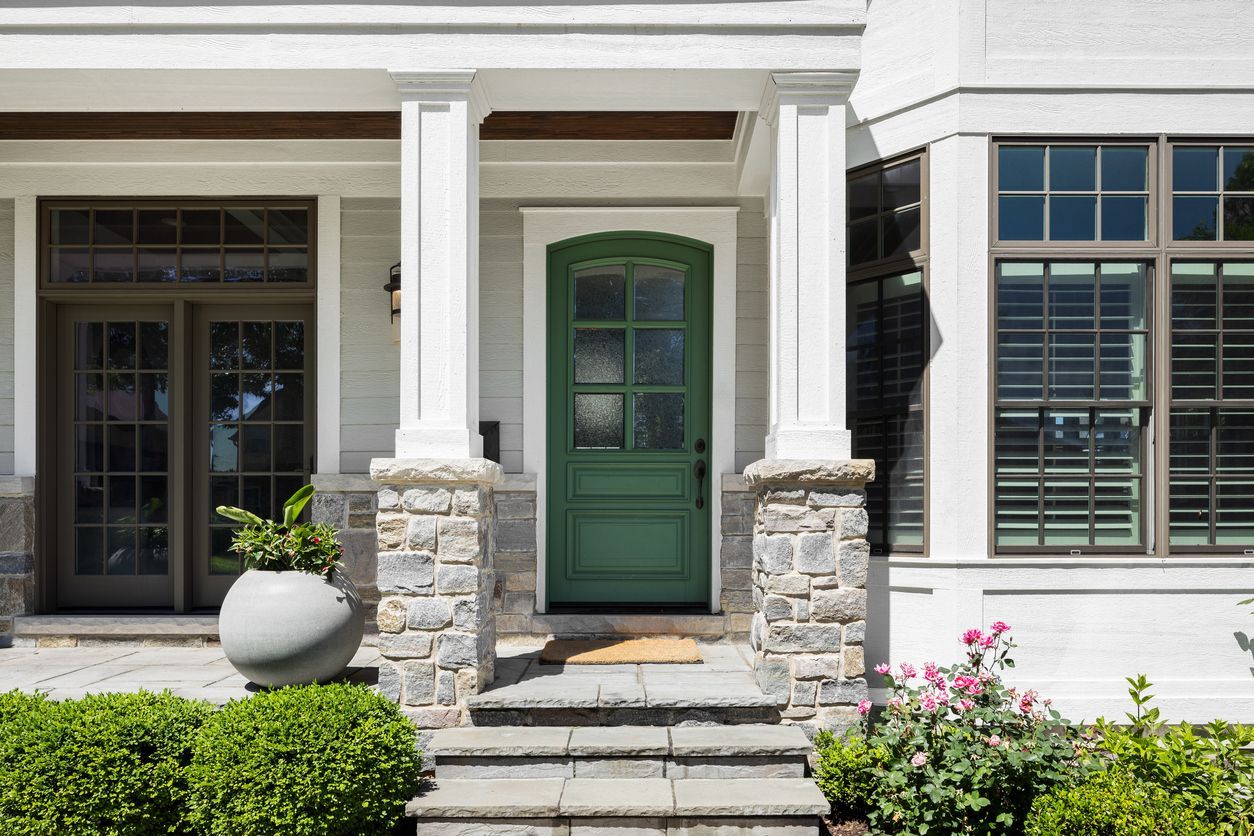
One of the underappreciated aspects of a James Hardie siding project is what it does for a home's exterior appearance. Fiber cement profiles are available in a range of styles — traditional lap, shingle, vertical panels — that can be mixed across a facade to create a lot of architectural interest. Because the material takes paint so well, color choices are essentially unlimited.
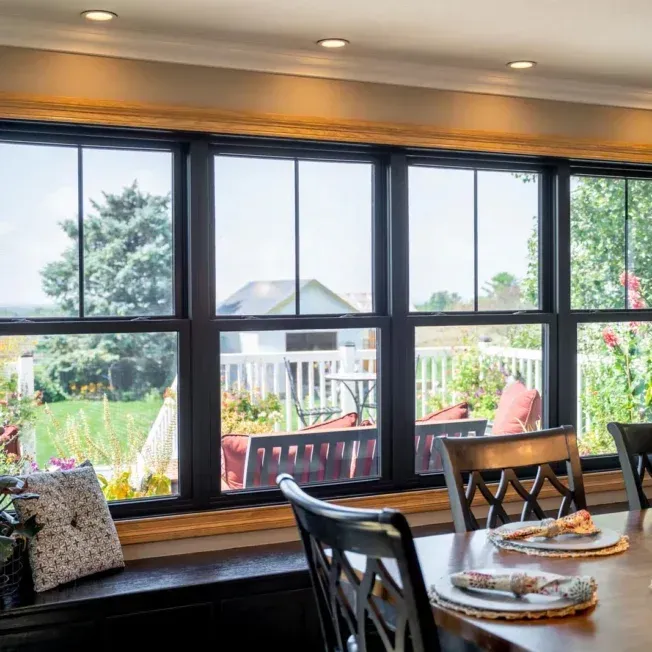
In neighborhoods with architectural character — older areas of Webster Groves, Kirkwood, or Ladue, for example — homeowners sometimes use a Hardie reside project as an opportunity to update the exterior palette and significantly improve curb appeal. When paired with updated trim, new roofing, or window replacement, a full exterior transformation can dramatically change a home's presentation.
Installation: Why It Has to Be Done Right
Fiber cement is a heavier, denser material than vinyl, and it requires crews who know how to handle it. It also has specific installation requirements around fastening, sealing, joint treatment, and clearances from grade that are outlined in James Hardie's installation guidelines. Work that doesn't follow these specs can void the product warranty and, more importantly, can result in moisture intrusion that undermines the whole point of upgrading.
At RRSA St. Louis, our siding crews are experienced with James Hardie products and install to manufacturer specification. We also understand how siding integrates with the rest of your exterior — your roofline, your window trim, your foundation detail — because we work on the full building envelope.
If your home's siding is overdue for replacement, RRSA St. Louis offers free estimates for James Hardie siding installation across the greater St. Louis area. Visit our
siding page or
call 636-542-4816 to get started.