Solar Attic Fan Installation in St. Louis: Beat the Heat and Lower Your Energy Bills

May 20, 2026

St. Louis summers don't ease in gently. By late May, attic temperatures in homes across Chesterfield, Ballwin, and Wildwood can climb past 150°F — turning your upstairs into an oven and forcing your air conditioner to work twice as hard. If your energy bills spike every June through August, your attic ventilation is almost certainly part of the problem. A solar attic fan is one of the most cost-effective upgrades a St. Louis homeowner can make, and it pays for itself faster than most people expect.

Why Attic Heat Is a Bigger Problem in St. Louis Than Most People Realize

The St. Louis metro sits in a climate zone that delivers the worst of both worlds: brutal summer humidity and bone-cold winters. During summer, heat trapped in a poorly ventilated attic doesn't just make your home uncomfortable — it actively degrades your roofing materials. Asphalt shingles exposed to sustained high temperatures from both the outside sun and below-deck heat age significantly faster. Many homeowners in Manchester and Fenton who've had premature shingle failure didn't realize inadequate ventilation was the culprit.


Beyond shingles, excessive attic heat forces your HVAC system into overdrive. Insulation works in both directions — but if the air above your insulation is 150°F, the thermal transfer into your living space is relentless. Reducing attic temperature by even 20–30°F makes a measurable difference in cooling load.

How Solar Attic Fans Work — and Why They're a Smart Fit for St. Louis

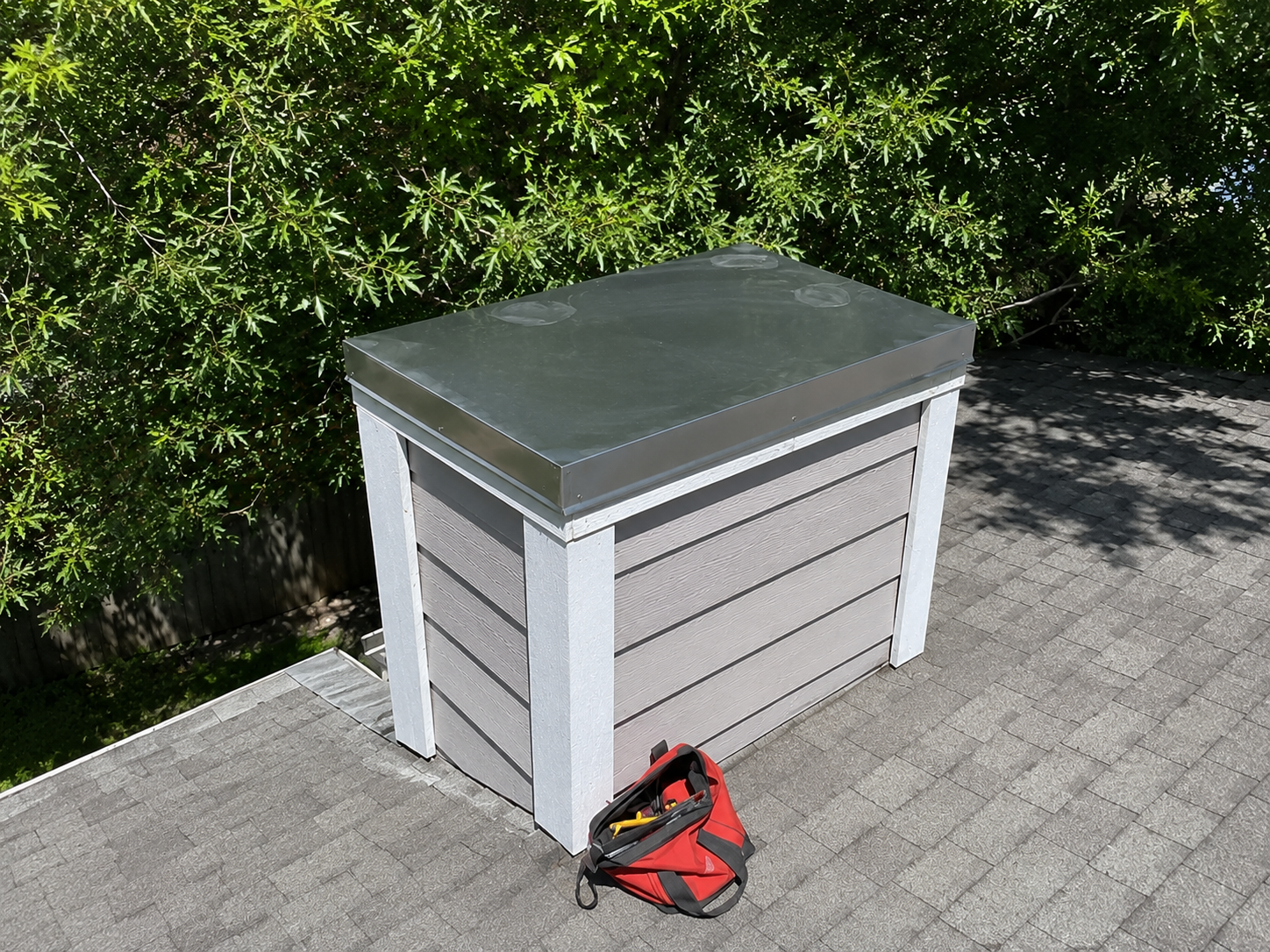
Solar attic fans mount on your roof and use a small photovoltaic panel to power an exhaust fan. When the sun is out and attic temperatures are rising, the fan runs automatically — pulling hot, stale air out of the attic and allowing cooler outside air to enter through soffit vents. No wiring. No electric bill. No manual controls needed.


Here's the elegant part: solar attic fans work hardest on the sunniest days — exactly when attic heat is at its worst. In a city that averages around 200 sunny days a year, that's a lot of free cooling. They're particularly effective in the ranch-style and two-story homes common throughout Creve Coeur and Des Peres, where attic square footage is substantial and ventilation often lags behind what the space actually needs.

What to Expect From a Professional Installation

A proper solar attic fan install isn't just drilling a hole in your roof and dropping in a unit. Done right, it involves assessing your existing ventilation, calculating the cubic feet per minute (CFM) capacity needed for your attic's square footage, selecting the right fan placement for maximum draw, and sealing the penetration correctly to prevent leaks.


At RRSA St. Louis, installations are completed by the same crews who handle full roof replacements — which matters. Every roof penetration is a potential leak point if not flashed and sealed properly. We treat every solar fan install with the same attention to detail as a full roofing project, because cutting corners on waterproofing is how you end up with ceiling damage three years down the road.

For homes with existing ventilation issues, we often pair solar fan installs with an inspection of current ridge vents and soffit intake — ensuring the whole system works together. You can learn more about our roof ventilation services and what a proper assessment covers.

Ready to stop paying to air-condition your attic? RRSA St. Louis provides free estimates for solar attic fan installations throughout the greater St. Louis area — from Wentzville to Arnold and everywhere in between. Reach out through our contact page or call us at 636-542-4816 to schedule your assessment.
By rrsastlouismo October 28, 2025
You may not see it, but those tiny drafts sneaking through your old windows could be costing you hundreds of dollars a year. Many St. Louis homeowners underestimate how much air leakage affects comfort and energy efficiency. The truth is, drafty windows don’t just make your home chilly in the winter and stuffy in the summer — they make your HVAC system work harder, driving your utility bills up month after month. Here’s how to spot the signs of drafty windows, understand their real costs, and fix the problem for good. 
By rrsastlouismo October 28, 2025
When it’s time to replace your windows, one of the biggest decisions you’ll face is what material to choose for your window frames. Each type - vinyl, fiberglass, and wood - offers its own mix of looks, performance, and price.  For St. Louis homeowners, where summers are humid and winters can be bitterly cold, the right window material makes all the difference in comfort and energy efficiency. Here’s how to decide which is best for your home.
By rrsastlouismo October 28, 2025
As temperatures drop and the Midwest winter approaches, St. Louis homeowners start preparing for the cold. But while you’re checking your furnace and sealing up doors, don’t overlook one of the biggest sources of heat loss in your home: your windows.  Old or inefficient windows can make your heating system work overtime, drive up energy bills, and leave your home feeling drafty. Before winter hits, use this checklist to find out if it’s time to replace your windows.
By rrsastlouismo October 28, 2025
Your front door is one of the first things people notice about your home. It sets the tone for your curb appeal, influences your home’s value, and plays a big role in keeping your home comfortable and efficient.  If your entry or patio doors are old, drafty, or outdated, upgrading them can make a dramatic difference in both appearance and performance. Here’s how new doors can enhance your St. Louis home inside and out.
Frosted window with Christmas tree inside, illuminated by warm fairy lights against a cold, blue backdrop.
By rrsastlouismo September 29, 2025
As summer fades, St. Louis homeowners start thinking about cooler weather—and higher heating bills. Old or failing windows can let in drafts, drive up energy costs, and make your home less comfortable. Here are six signs it’s time to consider replacement windows before winter arrives.
Red brick building with two white-framed windows. A small black box sits above the left window.
By rrsastlouismo September 24, 2025
Understanding Window Ratings: U-Factor, SHGC, and Visible Transmittance Explained
Man in cap using a drill to install a gutter on a house roof, outdoors.
By rrsastlouismo September 29, 2022
We hope your end-of-summer BBQ was legendary. We hope you enjoyed your pool parties and porch-sitting. But time marches on and autumn is here. Before the cold weather hits, there’s a few things we think you should know about your roof – and steps you can take to make sure it stays functional and damage-free through the harsh winter months. As you might know, it costs an average of $7,200 to replace a roof in Missouri. Unfortunately, homes don’t really come with how-to manuals to protect roofs and avoid repairs, but RRSA has you covered. Let’s take a look at three ways you can prep your roof for fall and winter.
Damaged, weathered shingles on a roof with a logo in the upper left. Sky and fields in the background.
By rrsastlouismo May 24, 2022
It’s hard to gauge the life expectancy of a roof. The best estimates put the lifespan of the average roof at between 20 and 30 years for standard asphalt shingles. Other materials, like clay and concrete, can last up to 100 years . Aside from materials, lots of factors play a role in aging or preserving a roof: temperature, exposure to elements (like wind and hail), and maintenance history. But no matter what kind of roof you have, it pays to know what the early signs of age and degradation are so that when you see them, you can act before your roof becomes compromised and begins to leak, which can cause thousands of dollars of damage , or otherwise fail. Let’s take a look at three warning signs that your roof is getting up there (pun intended).
Roofer in blue shirt, black cap, repairing roof. Sunny outdoors.
By rrsastlouismo April 28, 2022
Did you know that only 2% of roofers in the U.S. qualify to be recognized as GAF Master Elite™ Contractors? That figure may seem small, but taken together with the fact that the roofing industry has a failure rate more than 50% — and much of that failure attributed to lack of knowledge — it starts to make a little more sense. If you’ve owned a home for more than a few years, you’ve likely heard stories (or had your own experiences) with bad roofers. When trying to avoid the shoddy workmanship, subpar product, and un-warrantied work, three letters are going to change the way you think about roofs and roofers: GAF. Let’s look at three reasons this particular certification ensures you get the most for your money.
Person hammers nails into a black roof vent on a shingled roof; outdoors.
By rrsastlouismo December 1, 2021
How often do you think about your roof? If you’re like most people, the answer is probably not a lot — after all, we’ve got plenty to think about without worrying about the condition of our houses. But a roof is one of those things that you really don’t want to fail on you when you need it most. On top of being a fairly expensive thing to fix, it’s also incredibly stressful to deal with when inclement weather is approaching. To this end, one of the best things you can do for the long-term health of your roof (and of your savings account) is to be proactive and consider roof ventilation. Let’s take a look at three reasons it’s a smart investment.